


Rugged Dog Collars for Off-Grid Travel: 2026 Guide
Table of Contents
- What Makes a Rugged Dog Collar Different for Off-Grid Travel
- Waterproof Dog Collar for Hiking: Materials That Actually Survive Mud and Water
- GPS Dog Collar for Off-Grid Use: Tracking Without Cellular Coverage
- Dog Collar Fit Guide: Sizing for Comfort and Safety on the Trail
- Dog Identification Tags for Travel: Keeping Your Dog Identifiable Off-Grid
- Comparison Table: Collar Features and Pricing
- How to Choose: Selection Criteria for Your Adventure
- Maintenance and Durability: Keeping Your Collar Trail-Ready
- Frequently Asked Questions
Last Updated: October 18, 2026
What Makes a Rugged Dog Collar Different for Off-Grid Travel
Rugged dog collars for off grid travel withstand harsh environments, extreme weather, and extended backcountry use where standard collars fail.
The key difference is materials: military-grade nylon, reinforced stitching, rust-resistant hardware, and quick-dry fabric that sheds mud and water, handling multi-week trips and water crossings without degrading or causing chafing.
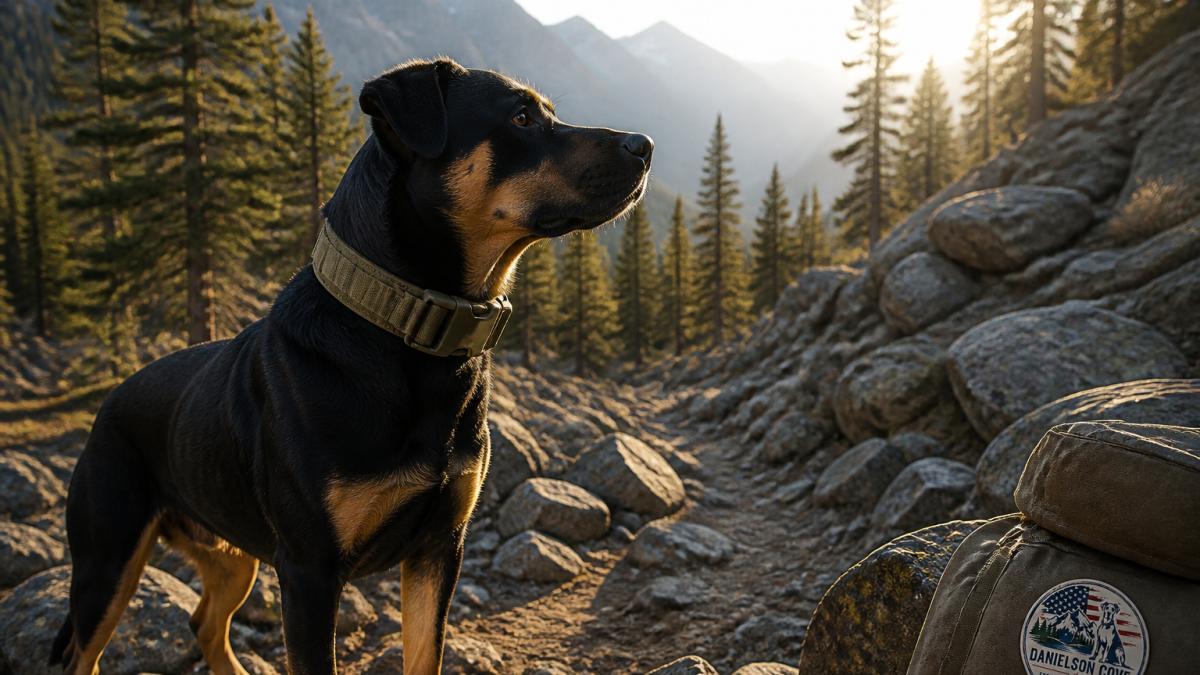
Standard collars use plastic buckles and cotton webbing that absorbs water and deteriorates quickly. Off-grid collars use stainless steel D-rings and buckles that resist corrosion, plus reinforced stitching that prevents separation under load.
Rugged dog collars for off grid travel must accommodate tracking devices, ID tags, and gear attachment points without adding bulk or weight.
Waterproof Dog Collar for Hiking: Materials That Actually Survive Mud and Water
A waterproof dog collar for hiking must shed water instantly and resist degradation from repeated exposure to mud, sweat, and heavy cleaning. This is where material choice becomes critical. Research from Treeline Review's 2026 GPS dog collar testing evaluated waterproofing, water resistance, and durability across real-world hiking conditions, confirming that coated webbing and military-grade nylon outperform cotton and standard synthetics in field use.
Military-Grade Nylon vs. Coated Webbing
Military-grade nylon dries faster, resists abrasion, and holds up after repeated washings. The Nylon Tactical Dog Collar from Danielson Cove uses military-grade nylon with reinforced stitching and quick-dry fabric that sheds water and mud easily, ideal for hikers who encounter streams, rain, and wet terrain.

Hardware Durability and Rust Resistance
Hardware failure is the most common reason rugged collars fall apart in the field. Standard metal buckles rust within weeks of moisture exposure; rust-resistant hardware, typically stainless steel or nickel-plated steel, maintains secure attachment points for leashes, trackers, and ID tags.
The Nylon Tactical Dog Collar features rust-resistant hardware that withstands salt spray, freshwater, and repeated cleaning. Inspect hardware regularly for wear or discoloration, a quick visual check before each trip can prevent failure miles from help.
GPS Dog Collar for Off-Grid Use: Tracking Without Cellular Coverage
A GPS dog collar for off-grid use differs fundamentally from standard trackers that rely on cellular networks.
How Off-Grid Tracking Works
Off-grid tracking relies on alternative connectivity methods. According to SpecFive's documentation on off-grid tracking, LoRa mesh networks enable real-time GPS tracking without cellular service by creating peer-to-peer communication networks across extended distances. Satellite-based systems transmit location data through satellite networks, providing global coverage but with longer update intervals.
The No Subscription Dog Smart GPS Tracker from Danielson Cove uses a hybrid approach: it works with Google Find My Hub and Apple Find My App, providing real-time tracking through your smartphone without monthly subscription fees. IP67 water resistance and rugged polymer housing suit off-grid adventures where durability matters as much as functionality.

Tracking Range and Signal Reliability
Treat the tracker as a recovery tool, not a leash substitute. Keep your dog within sight or voice control where signal is uncertain, and use the tracker to confirm location at checkpoints. Test your device in the terrain you plan to travel: walk a known loop, note where signal drops, and plan around those dead zones.
Battery Life and Cold-Weather Performance
The No Subscription Dog Smart GPS Tracker requires monthly USB charging, a reasonable trade-off for eliminating subscription fees.
Collar Versus Tracker: What Each Component Does
A rugged collar and a GPS tracker are separate tools. The collar provides the attachment point, durability, and identification; the tracker provides location data. The collar must hold the tracker securely, survive water and abrasion, and keep ID tags attached if the electronics fail.
When pairing the two, verify the tracker's mount fits your collar's width and that combined weight doesn't cause rotation or slipping, a heavy tracker on a light collar can drag the buckle to the wrong side of the neck, creating a pressure point. The Nylon Tactical Dog Collar's rust-resistant D-ring and reinforced stitching give you a stable anchor for a tracker and tags without bulk that interferes with fit.
Dog Collar Fit Guide: Sizing for Comfort and Safety on the Trail
Proper collar fit prevents chafing, escape, and discomfort. Too loose and your dog can slip free; too tight and it restricts breathing and causes skin irritation. The ideal fit allows one to two fingers of space between collar and neck.
Measure your dog's neck with a soft tape measure while your dog stands naturally, then consult the sizing chart.
Fit by Coat Type and Body Shape
Body shape matters as much as neck circumference. Sighthounds and other deep-chested dogs can back out of a loose collar, while thick-necked breeds may need sizing to the upper neck rather than the base. For dogs that pull, a collar concentrates force on the throat; a harness spreads load across the chest and is safer for steep descents and scrambling.
Chafing, Snag Hazards, and Weight
Chafing shows up as hair loss, redness, or a damp spot under the collar. It usually comes from a loose collar that slides, a buckle against the skin, or trapped moisture and grit. Rinse and dry the collar and the dog's neck after water crossings, and check contact points each evening.
Snag hazards are a backcountry-specific concern: tags on split rings, dangling carabiners, and loose strap ends catch on brush, fence wire, or rock. Trim excess strap length, use a tag silencer or flat tag, and keep the D-ring oriented so it doesn't dig into the neck when the dog lies down.
Breakaway and Safety Trade-Offs
Breakaway collars release under load to prevent strangulation if a collar catches on a branch or fence, but that feature is a liability off-grid, since a breakaway can pop off during a hard pull or scramble, leaving your dog without ID or tracker. In dense brush and fence country, a breakaway can be safer; in open backcountry where loss is the bigger risk, a secure buckle with a proper fit is better. Either way, back up identification with a microchip and a second tag on a harness.
Dog Identification Tags for Travel: Keeping Your Dog Identifiable Off-Grid
ID tags serve as a backup to GPS tracking: if your dog becomes separated and the tracker fails, a tag is the only way for someone to contact you. Include your name, phone number, and a trusted emergency contact, and engrave tags before your trip, replacements aren't available in the backcountry.
Attach tags securely to the D-ring of your rugged collar with a split ring or carabiner. Verify tags don't jingle excessively (which can attract wildlife) but remain audible enough to help someone locate your dog. Consider a second tag with your home address and a secondary phone number.
Comparison Table: Collar Features and Pricing
| Product | Material | Hardware | Best For | Price |
|---|---|---|---|---|
| Nylon Tactical Dog Collar | Military-grade nylon | Rust-resistant | Everyday hiking and backcountry trips | $23.62 |
| Tactical Dog Harness Molle System Vest | Heavy-duty nylon | Reinforced D-rings | Multi-day expeditions with gear attachment | $38.99 |
| Military Tactical Adjustable Dog Harness | 1000D imitation nylon | Multiple attachment points | Large breeds and working dogs | $51.99 |
| No Subscription Dog Smart GPS Tracker | Rugged polymer | Reinforced seams | Off-grid tracking without monthly fees | $64.72 |
How to Choose: Selection Criteria for Your Adventure
Start by defining your trip profile: weigh terrain, climate, trip duration, and your dog's size and coat type. Day hikes in mild weather require less durability than multi-week expeditions in extreme conditions.

For most hikers, the Nylon Tactical Dog Collar delivers the best balance of durability, comfort, and price. Its military-grade nylon, rust-resistant hardware, and quick-dry fabric handle everything from creek crossings to muddy trails, and it's machine-washable for weekend trips and extended adventures alike.
If your trip involves off-grid areas where cellular coverage disappears, pair a rugged collar with the No Subscription Dog Smart GPS Tracker.
For dogs carrying gear or needing multiple attachment points, the Tactical Dog Harness Molle System Vest offers a professional-grade solution. Its MOLLE webbing lets you attach ID holders, storage pouches, and additional gear, ideal for multi-day expeditions where your dog carries supplies or emergency equipment.
Maintenance and Durability: Keeping Your Collar Trail-Ready
After each trip, rinse with fresh water to remove mud, salt, and debris; for heavy soiling, hand wash with mild soap and air dry completely before storage. Machine washing on a gentle cycle is acceptable for most rugged collars, but verify the manufacturer's care instructions.
Inspect hardware regularly for rust, corrosion, or damage.
Store your collar in a cool, dry place away from direct sunlight, UV exposure degrades nylon over time, so don't leave collars outside between trips.
When you're planning an off-grid adventure with your dog, gear durability isn't optional, it's foundational. At Danielson Cove, we've built rugged dog collars and tracking systems designed to perform when reliability matters most. Our Nylon Tactical Dog Collar combines military-grade nylon, rust-resistant hardware, and quick-dry fabric to handle the toughest conditions. Pair it with the No Subscription Dog Smart GPS Tracker for real-time location updates without monthly fees.
Frequently Asked Questions
What should I look for in a rugged dog collar for off-grid travel?
Prioritize military-grade nylon or coated webbing construction, rust-resistant hardware, and reinforced stitching. Your collar needs to handle mud, water, abrasion, and rough terrain without degrading. Check that it fits snugly with one to two fingers of space for safety. If you're traveling where cell service is unavailable, a GPS collar with off-grid tracking capability adds security. Reflective details improve visibility on dawn and dusk trails.
Can a GPS dog collar work without cell service?
Yes. Off-grid GPS trackers use alternative connectivity methods like LoRa mesh networks or satellite signals instead of relying on cellular coverage. These systems provide real-time location updates even in remote wilderness areas. Danielson Cove's No Subscription Dog Smart GPS Tracker ($64.72) uses IP67 water resistance and works with Google Find My Hub and Apple Find My App, no monthly fees or cell service required. Monthly USB charging keeps the battery ready for your trips.
How should a dog collar fit for outdoor adventures?
Measure your dog's neck with a soft tape measure and allow one to two fingers of space between the collar and neck for comfort and safety. This prevents chafing during long hikes while keeping the collar secure enough that your dog cannot slip free. Danielson Cove's Nylon Tactical Dog Collar ($23.62) comes in sizes M (16-20 inches), L (20-24 inches), and XL (24-28 inches). Check the fit regularly during your trip, especially after water exposure or if your dog gains or loses weight.
What collar material holds up best to mud, rain, and rough trails?
Military-grade nylon with reinforced stitching and rust-resistant hardware outperforms standard collars on backcountry trips. Quick-dry fabrics shed water and mud easily, reducing weight and odor. Danielson Cove's Nylon Tactical Dog Collar features military-grade nylon construction and quick-dry fabric that sheds water and mud. Machine wash on gentle cycle or hand wash with mild soap, then air dry completely. Inspect hardware regularly for wear, especially after heavy use or saltwater exposure.
How do I keep my dog identifiable when traveling off-grid?
Attach durable ID tags to your dog's collar with current contact information. Include your cell phone number and a secondary emergency contact. For extended backcountry trips, consider microchipping as a backup identification method. Reflective tags improve visibility if your dog gets separated at dawn or dusk. Keep a recent photo of your dog with you and store digital copies in your phone. Danielson Cove's tactical harnesses and collars accommodate multiple tag attachments for redundancy.