Durable Tactical Dog Collars for Hiking: 2026 Guide
Table of Contents
- What Makes a Tactical Dog Collar Trail-Ready
- Quick Comparison: Tactical Dog Collars for Hiking
- How to Fit a Tactical Dog Collar for Long Hikes
- Heavy Duty Dog Collars With Handle: Control on Steep Terrain
- Maintaining Tactical Nylon Dog Gear After Muddy Trails
- Ergonomics, Visibility, and Gear Integration on the Trail
- Frequently Asked Questions
Last Updated: September 25, 2026
What Makes a Tactical Dog Collar Trail-Ready
A durable tactical dog collar for hiking is a wide, reinforced collar built from abrasion-resistant webbing with load-bearing metal hardware and a control handle, designed to hold up to mud, rock, and long days on the trail. At Danielson Cove, we test gear on large breeds across off-grid terrain, and the difference between a collar that survives a season and one that fails on day three comes down to three things: material, hardware, and fit.

Materials and Construction That Survive the Backcountry
The industry standard for tactical collars is 1000D nylon, chosen for its resistance to tearing, fraying, and water damage (Elite Pet Shop guide to tactical dog collars). Webbing width matters too: high-performance hiking collars typically use 1-inch nylon webbing, which spreads load across a wider surface than thin straps (Outdoor Life's 2026 dog collar testing).

Hardware: Buckles, D-Rings, and Load-Bearing Points
Metal hardware is the weak link in most cheap collars. Look for a solid brass or stainless D-ring attachment rated for load-bearing, since that ring takes the full force of a leash correction or a sudden lunge.
Quick Comparison: Tactical Dog Collars for Hiking
Here's how the core options in the Danielson Cove lineup stack up for trail use. Each one solves a different problem, so match the pick to how you actually hike.
| Product | Price | Key Material | Best For |
|---|---|---|---|
| Nylon Tactical Dog Collar | $23.62 | Military-grade nylon, rust-resistant hardware | Everyday trail control |
| Dog Breathable Harness | $35.58 | Breathable mesh, reinforced stitching | Long hikes, chest-led control |
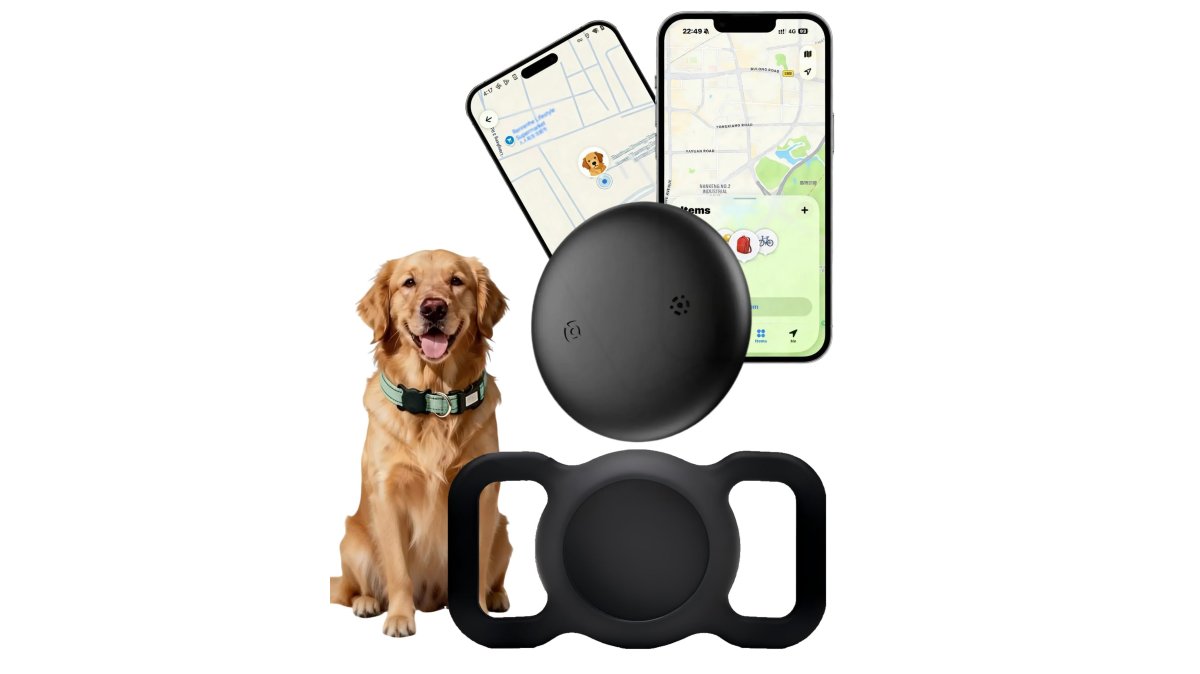
| No Subscription Dog Smart GPS Tracker | $64.72 | IP67 polymer housing | Off-leash backcountry |
| Wireless Dog Trainer | $245.81 | Water-resistant build | Recall training on open terrain |
| Electronic Fence 2-in-1 Trainer | $275.44 | Waterproof, rugged construction | Mud, water, demanding terrain |
How to Fit a Tactical Dog Collar for Long Hikes
A properly fitted collar sits snug but not tight, with room for one to two fingers between the collar and your dog's neck. That gap prevents both slipping and pressure points on long descents. But on a hiking collar, fit is not a one-time measurement, it changes with terrain, temperature, coat condition, and load. Most guides stop at the two-finger rule.

The Two-Finger Rule Is a Starting Point, Not a Finish Line
Measure your dog's neck circumference with a soft tape measure at the widest point, usually just behind the ears and under the jaw. Add one to two fingers of space. Then check the fit after 10 minutes of walking, because fur compresses under load and wet webbing shifts. Re-check after water crossings. Confirm the D-ring sits at the top of the neck, not under the throat.
Breed and Coat Matter More Than You Think
A sighthound's narrow head can slip a collar that fits a Labrador's thick neck at the same circumference. A double-coated breed like a Husky or Malamute will compress 1-2 inches of fur under a wide tactical collar, so the measured neck size can be misleading. For these dogs, fit the collar snug against the skin, not the coat, and re-check every 30 minutes on the first hike.
How Fit Changes Over a Long Hike
Three mechanisms loosen or tighten a collar on the trail:
- Coat compression: Fur flattens under a wide collar after 30-60 minutes of movement, effectively loosening the fit by up to half an inch.
- Moisture swelling: Nylon webbing absorbs a small amount of water and can stretch slightly when wet, then shrink back as it dries. This is why re-checking after water crossings matters.
- Load shifting: On steep descents, a collar with a control handle can ride up toward the ears if it is too loose. On steep climbs, it can slide down toward the shoulders.
Fit Checks by Terrain
- Scree and loose rock: Keep the collar snug so the handle does not catch on passing brush or rock edges.
- Water crossings: Re-check after every crossing. Wet nylon can shift 1-2 inches on a swimming dog.
- Steep descents: Confirm the D-ring sits at the top of the neck so leash pressure does not pull the collar down onto the throat.
- Off-leash stretches: A slightly looser fit is fine if the collar has a handle and a GPS tracker attachment, but never loose enough to slip over the head.
Heavy Duty Dog Collars With Handle: Control on Steep Terrain
A heavy duty dog collar with handle gives you a grab point for scrambling over rocks, lifting your dog over obstacles, or holding steady on a steep descent. That handle is the single feature that separates a hiking collar from a street collar.
Maintaining Tactical Nylon Dog Gear After Muddy Trails
Maintaining tactical nylon dog gear comes down to one principle: clean it before it dries, and dry it completely before storage. Mud left in webbing grinds away at fibers every time the collar flexes. But most guides stop at "rinse and air dry." The real question for hikers is how maintenance affects the two things that fail first: hardware corrosion and webbing stiffness.
The Mud-Dry Cycle Is What Kills Nylon
Nylon webbing is abrasion-resistant, but it is not immune to repeated wet-dry cycling. When mud dries inside the weave, it becomes an abrasive paste that works against the fibers every time the collar moves. Over a season, this shows up as fraying at the edges and a stiff, brittle feel in the webbing. The fix is simple: rinse in cool water before the mud dries, then work the webbing between your fingers to lift grit out of the weave. A soft brush helps on heavily caked sections.
Hardware Is the Real Weak Link
Metal buckles and D-rings are where most collars fail, and maintenance is the reason. Rust-prone snap hooks corrode from the inside, and a hook that pops open mid-trail costs you leash control exactly when you need it most. After every wet trip, wipe metal hardware dry with a cloth.
Cleaning Steps That Protect Both Webbing and Hardware
- Rinse webbing in cool water to lift grit out of the weave
- Wash with mild soap, by hand or on a gentle machine cycle
- Air dry fully, away from direct sun, before it goes back in your pack
- Wipe metal hardware dry to stop surface corrosion
- Lubricate hinge points on buckles and snap hooks with food-grade silicone
- Inspect stitching and D-rings monthly for fraying or play
Waterproofing holds up to repeated cleaning as long as you avoid harsh detergents and heat. Skip the dryer.
How Maintenance Affects Weight and Ergonomics
A collar that absorbs water and mud can gain noticeable weight on a wet hike. Nylon webbing holds a small amount of water, and a muddy collar can feel twice as heavy as a clean one. Keeping the collar clean and dry is not just about longevity, it is about reducing load on your dog's neck. A clean, dry collar also stays softer and more flexible, which reduces chafing on long descents.
Storage and Long-Term Durability
Ergonomics, Visibility, and Gear Integration on the Trail
Ergonomics deserve more attention than they get. A wide, padded collar distributes pressure across the neck, while a thin strap concentrates it, which is where chafing starts. The NCBI review of collars and harnesses documents serious risks when collars cause suspension or pressure on the throat, a reminder that fit and width are safety features, not luxuries (NCBI review of collars, harnesses, and head collars).
Frequently Asked Questions
What is the most durable dog collar for hiking?
Look for reinforced nylon webbing, heavy-duty metal buckles, and rust-resistant hardware. Solid brass D-rings add load-bearing strength for leash control on steep terrain.
How do I fit a tactical dog collar properly for hiking?
Measure your dog's neck with a soft tape measure, then allow one to two fingers of space between the collar and neck. For Danielson Cove's Nylon Tactical Dog Collar, M fits 16 to 20 inches, L fits 20 to 24 inches, and XL fits 24 to 28 inches. A snug but breathable fit prevents slipping without restricting movement on long climbs.
Do I need a handle on my dog's hiking collar?
A control handle helps on scrambles, water crossings, and steep descents where you need to steady or lift your dog. Heavy duty dog collars with handle designs give you grip without grabbing the collar itself. If your dog wears a harness with a top handle, you may not need a second one, but a handled collar adds a backup control point.
Are tactical dog collars safe for hiking?
Yes, when fitted correctly. Choose a flat tactical collar with a secure buckle rather than a slip design. Pair it with a harness for load-bearing tasks and keep the collar for identification and light leash control.
How do I clean and maintain tactical nylon dog gear?
Machine wash on gentle cycle or hand wash with mild soap, then air dry completely before storage. Inspect hardware regularly for wear and replace damaged pieces. Quick-dry nylon sheds mud and water easily.